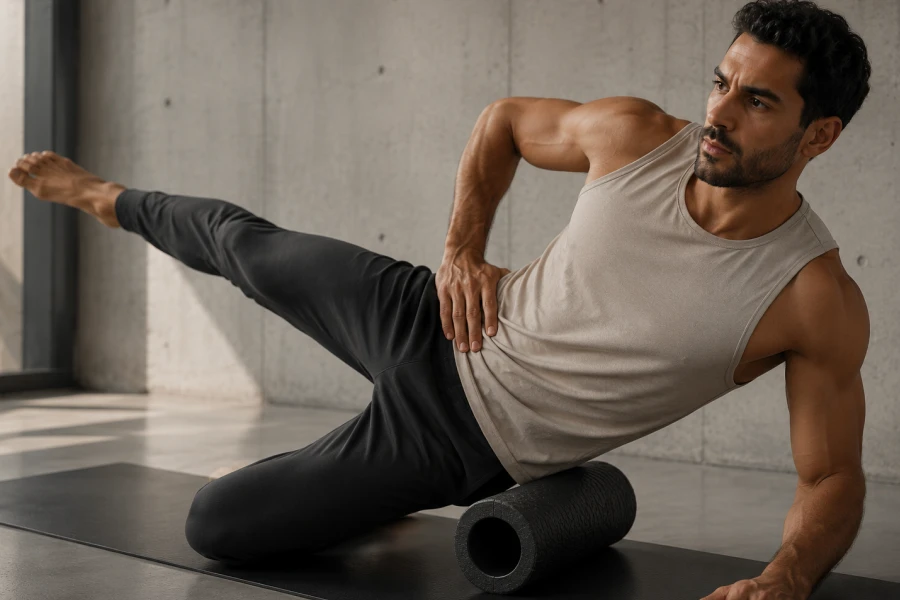
The word core often makes people think of visible abdominal muscles and endless repetitions. In practice, core strength is more useful when it supports breathing, posture, balance, and movement. Pilates core strength exercises focus on coordination rather than brute force alone. They invite the trunk, hips, shoulders, and breath to work together with intention. This can make daily actions feel more organized, from lifting a bag to turning in a chair. The work may look small, yet the attention required can be significant. That is why slow control often matters more than high repetition counts. You are learning how to create support without stiffening everything around it. As that skill improves, movement can feel steadier and less wasteful. The aim is useful strength that travels with you off the mat.
Begin by noticing how you breathe when effort rises. Many people hold their breath or push their ribs forward when an exercise feels difficult. A better starting point is a comfortable breath that remains available during the movement. Let the exhale gently support your trunk without clenching your jaw or shoulders. This creates pressure management rather than panic-driven bracing. Explore Pilates breathing techniques and foundational core control for useful cues. You may need a smaller range at first to keep that breath steady. That is not a limitation; it is a way to train the coordination you actually want. When breathing disappears, the movement has usually become too intense for the current skill level. Returning to control is always a worthwhile adjustment.
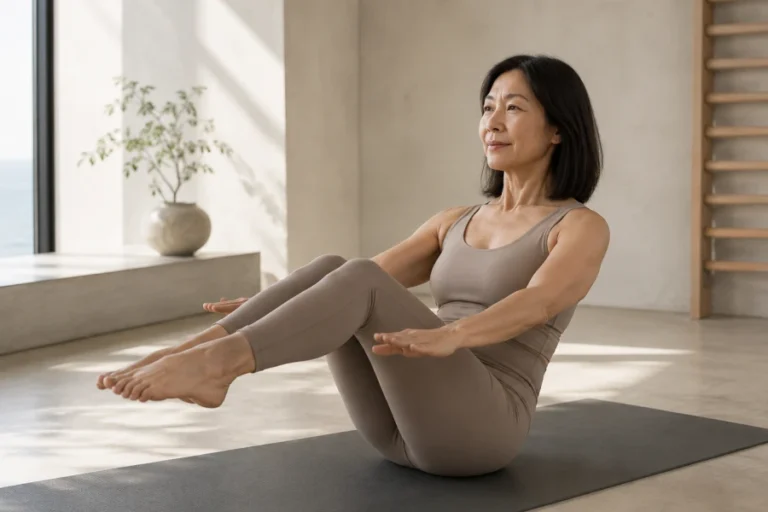
Bracing can feel powerful because it creates immediate tension. Control feels different because it allows your body to remain responsive. In Pilates, the goal is not to lock the stomach as tightly as possible. Instead, you organize the torso so the limbs can move with less unnecessary wobble. Try a simple tabletop position and notice whether the ribs, pelvis, and breath remain calm. If they do not, bring the feet down and practice the preparation first. This kind of regression often teaches more than forcing a difficult variation. It gives the nervous system a clean pattern to repeat. Over time, the pattern becomes more automatic during everyday tasks. That is where core work becomes genuinely practical.
These movements become more effective when each repetition remains deliberate. Choose fewer repetitions and give yourself time to set up before moving. Notice whether the shoulders creep upward or the lower back begins to strain. Use low-impact Pilates modifications and controlled mat sequences when you need accessible options. Pause between repetitions if that helps you restore alignment. You are practicing a skill, not trying to win an endurance contest. Five attentive repetitions can teach more than twenty rushed ones. As control improves, you can add range, resistance, or duration gradually. Until then, let quality set the pace of the session. Precision is not slower progress; it is the route to reliable progress.
Look for changes outside the workout to understand what the practice is building. You may notice that standing from the floor feels smoother or carrying groceries feels more stable. You may find it easier to maintain posture during long workdays. Balance, stair climbing, and turning quickly can also feel more organized. These are not flashy measurements, but they are meaningful ones. They show that the coordination is transferring into daily life. Keep a short note of one task that felt easier after several weeks. That observation can be more motivating than chasing a visual result. It reminds you why the slow work deserves a place in your routine. Useful strength is often easiest to recognize in ordinary movement.
This work can progress in several directions without becoming extreme. You might lengthen a lever, reduce support, add a light prop, or hold a position longer. Choose only one change at a time so you can understand its effect. If form becomes shaky, return to the prior version and build there longer. Find progressive core practice and home Pilates support for sensible next steps. The best progression leaves you feeling challenged but not wrecked afterward. It also allows you to return to the practice later in the week. Capacity grows through repeated exposure, not one dramatic session. Patience gives the body time to adapt to what you are asking of it. That patience usually pays off in steadier, more confident movement.
Scale back when pain becomes sharp, symptoms worsen, or recovery feels unusually difficult. Fatigue can also change how well you control a familiar exercise. On those days, practice a simpler version or choose a mobility-focused session instead. If pain, numbness, pelvic symptoms, or persistent discomfort affect your movement, seek qualified care. Individual guidance can help you choose variations that respect your circumstances. Asking for support is part of training intelligently. It gives you better information than guessing through discomfort. The goal is to become more capable, not more willing to ignore signals. Smart adjustments protect the habit you are building. They also make long-term progress more likely.


Leave a comment